

“Make climate futures visible - We have to show positive change!”
In this episode, Craig speaks with landscape architect, researcher, and educator Nadia Amoroso about the power of visual communication in shaping climate action. Drawing from her latest book, Representing Landscapes: Visualizing Climate Action, Nadia explores how drawings, mapping, and storytelling can help communities better understand environmental change and imagine more hopeful futures.
“Visualization isn’t just representational, it’s an instrument.”
Nadia reflects on how her early interest in architecture evolved into a fascination with public spaces, environmental systems, and the larger ecological forces shaping cities and landscapes. Over time, this led her toward a career focused on visual communication in landscape architecture and climate adaptation.
The conversation also traces the origins of Nadia’s influential Representing Landscapes book series, which began nearly 15 years ago as a response to a gap in design education. At the time, students had limited access to examples of innovative representation techniques for wetlands, infrastructure, public spaces, and complex ecological systems.
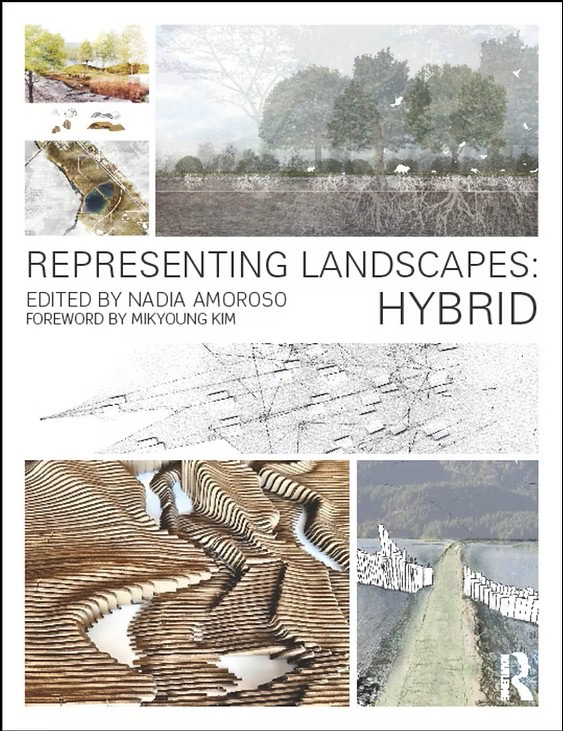
“How do we make invisible systems visible?”
A central theme of the episode is that effective climate action depends on effective communication. Nadia explains that many of the most important environmental systems such as hydrology, biodiversity, sea level rise, and ecological change are often hidden from public view.
“A strong design that isn’t understood can never be realized. Make your drawings compelling!”
Nadia highlights several international firms featured in Nadia’s book, including Stoss Landscape Urbanism, SCAPE Studio, and Felixx Landscape Architects & Planners, whose visualizations help communicate climate adaptation, biodiversity, and resilient futures in compelling and accessible ways.
Nadia also discusses the growing importance of:
• Nature-based solutions
• Green infrastructure
• GIS and geospatial mapping
• Artificial intelligence and predictive modeling
• Collaboration across disciplines
A recurring theme throughout the conversation is the need to move beyond fear-based climate narratives and instead communicate optimistic and achievable futures. For designers, planners, and citizens alike, Nadia encourages people to become stronger storytellers - making climate futures visible through drawings, maps, design work, and public engagement.
Book Recommendations from Nadia Amoroso
• Projective Ecologies – Chris Reed & Nina-Marie Lister
• Landscape Urbanism Reader – Charles Waldheim
• Taking Measures Across the American Landscape – James Corner & Alex MacLean
A Call to Action
Nadia’s message is ultimately about communication, collaboration, and imagination. Whether through design, policy, or public engagement, she believes we must become better at visualizing and communicating positive environmental futures.
“Make climate futures visible.”
Bio
Nadia Amoroso is a landscape architect, researcher, and educator whose work focuses on advancing visual communication in landscape architecture, including visual communication in relation to climate change and data-driven design.
She is recognized for her contributions to the field through her Representing Landscapes book series, which explores innovative methods of visualization, mapping, and graphic representation.
As a professor at the University of Guelph’s School of Environmental Design and Rural Development, she is known for her dynamic teaching, mentorship, and leadership in shaping future landscape architects.
Please Support this Podcast:
If you like this podcast, please support us by going to the Apple Podcasts site and “liking” our podcast by rating us. It will help increase the ability of it to be seen by other like-minded people. Thanks for listening!”