
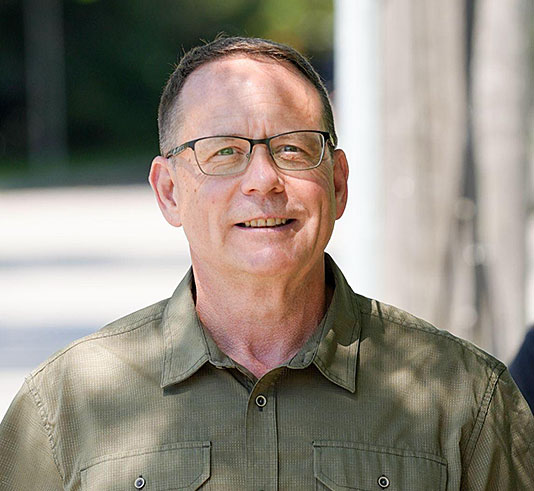
“If we don't address a crisis of caring, we're not going to address a climate crisis.”
Mike Schreiner's path into politics began outside electoral politics. Growing up on a farm, he became an entrepreneur in local food and farming and helped found Local Food Plus, a nonprofit focused on bringing local food into institutions and strengthening local food systems. That work increasingly drew him into policy and public advocacy, eventually leading him to the Green Party of Ontario and, after nine years of organizing and campaigning, to becoming the first Green elected to the Ontario Legislature.
In this conversation with Craig, Mike reflects on what he has learned from more than a decade inside provincial politics: where political leverage comes from, how a small caucus can shift public debate, and why working across party lines matters. He also explores the connections between housing affordability, low-density sprawl, climate change, local economies and the design of healthier communities.
“Housing policy is intimately connected to climate policy.”
A central theme of the conversation is the idea that Ontario does not have to choose between building more housing and protecting the environment. Schreiner argues that affordable homes in existing communities, particularly missing-middle and gentle-density housing, can reduce transportation emissions, protect farmland and natural areas, support local businesses, make transit more viable and improve quality of life. He points to his own experience living in downtown Guelph, where many daily needs are accessible on foot.
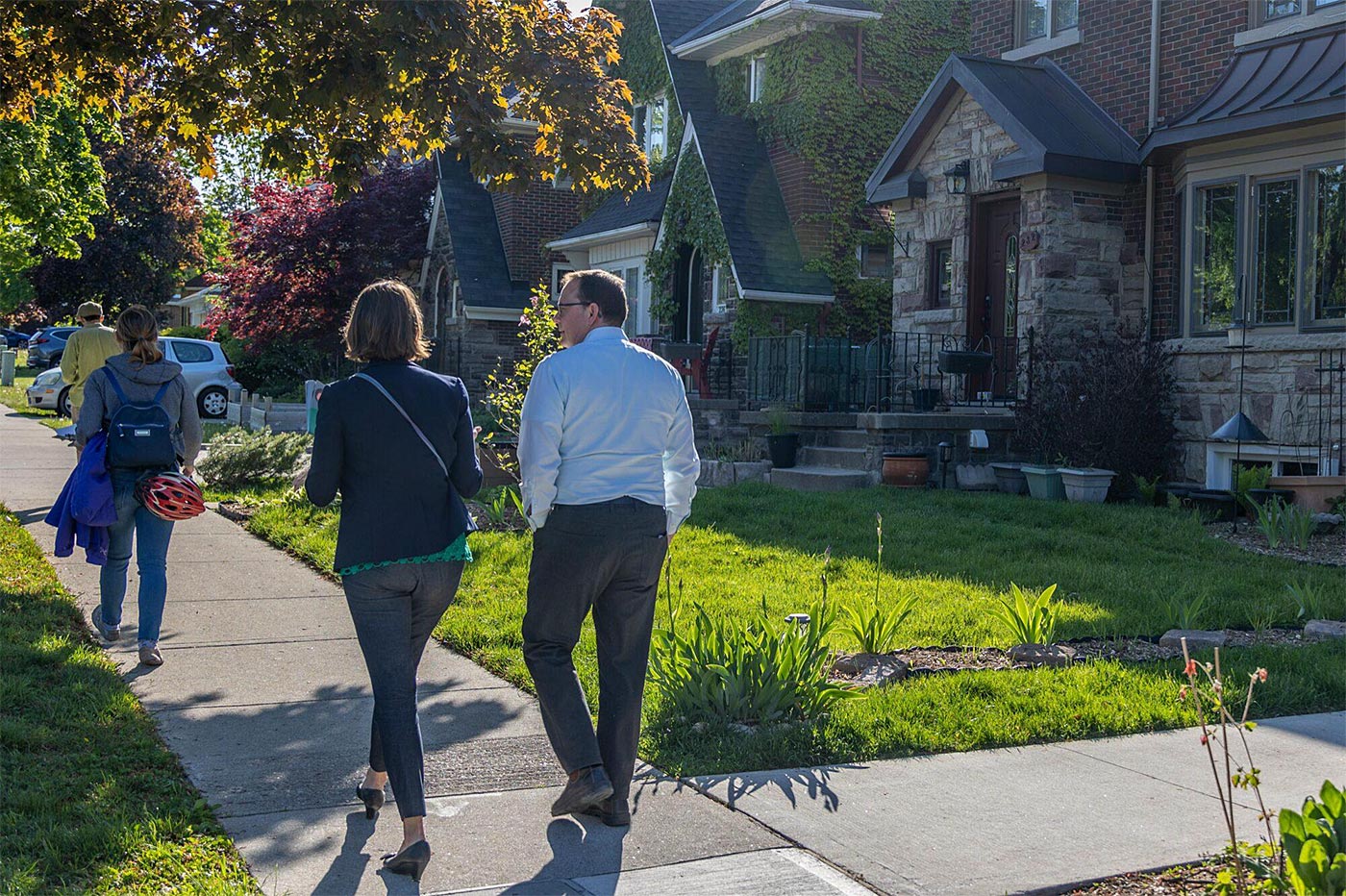
The discussion then turns to climate adaptation. Schreiner argues that Ontario must both reduce climate pollution and prepare for impacts that are already arriving, including extreme heat, flooding, storms and wildfire. He emphasizes the protective role of wetlands, forests, farmland and green space, alongside investment in resilient buildings and infrastructure.
“The cheapest way to protect ourselves is protecting nature.”
Schreiner also discusses the political challenge of turning long-term environmental goals into action within short electoral cycles. His approach is increasingly to frame climate solutions around immediate benefits: affordability, jobs, healthier communities, cleaner air and lower operating costs. He argues that climate action can be presented not as a sacrifice for the future, but as part of building a better and more affordable present.
For Schreiner, hope ultimately comes from people coming together. He describes community organizing as a source of energy and agency, and argues that people can influence the places where they live by working collectively rather than becoming discouraged by the scale of global problems.
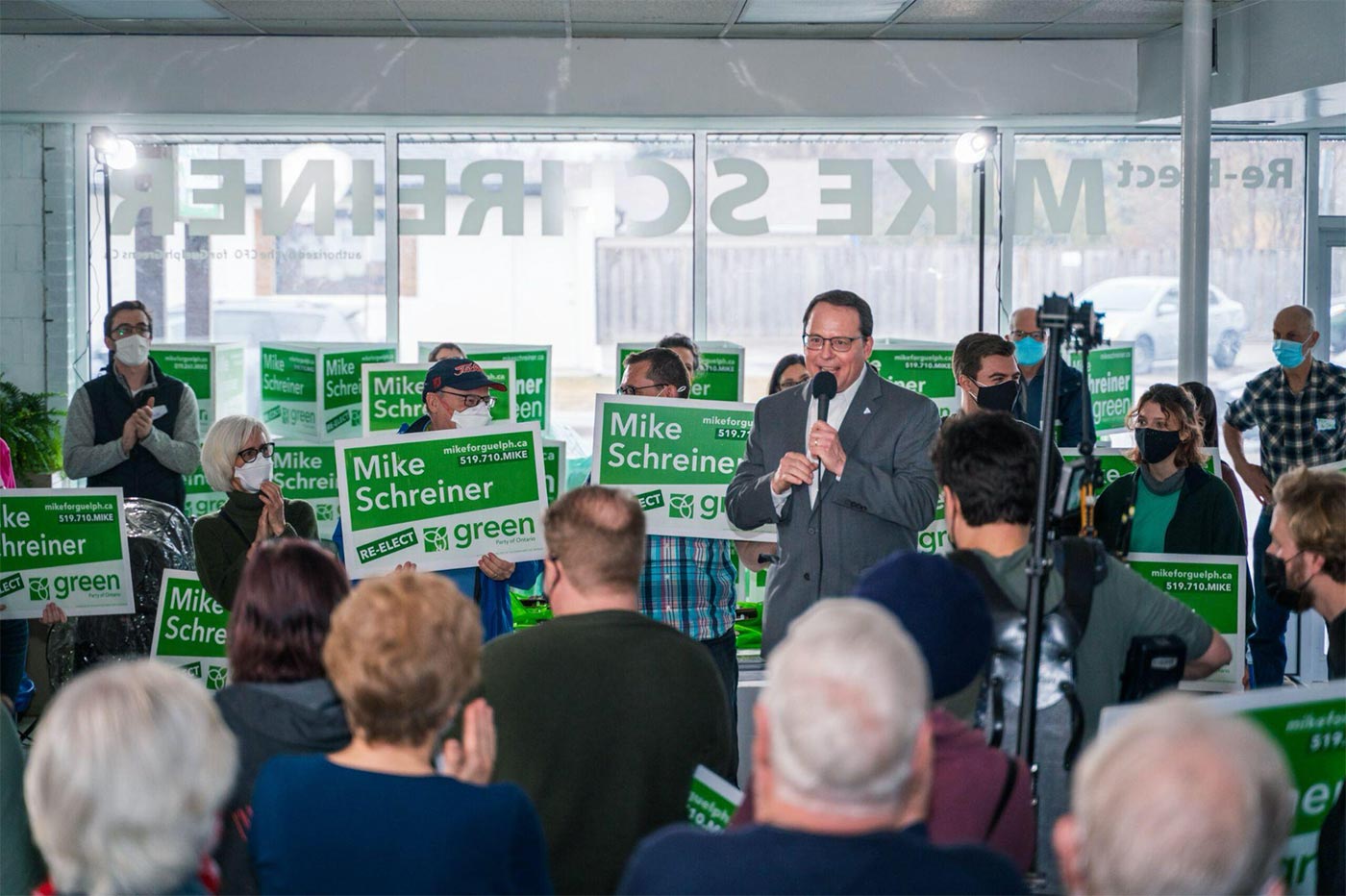
“If we don't address a crisis of caring, we're not going to address a climate crisis.”
The conversation closes with Schreiner's call for listeners to stay engaged in politics while also taking action locally, whether through food, cycling, walking, tree planting, neighbourhood organizing, solar power or other forms of community action. His broader message is that individual action matters, but the scale of the climate challenge ultimately requires collective action.
Authors & Books Recommended
When asked to recommend three books that had influenced his thinking, Mike chose instead to recommend three authors off the top of his head:
1. Wendell Berry
“...the power and importance of local communities and connecting to nature.”
Schreiner says Berry has had a major influence on his thinking about local communities, the importance of place, and the connection between communities and nature. He also reflected on Berry's recent death and described him as an important philosopher of local community and connection to nature.
2. N. K. Jemisin
“...imagines what the world could be like and what different possibilities are...”
Schreiner recommends the science-fiction writer for the way her work imagines different possibilities for the future and connects those possibilities with nature. He highlighted both the possibility of creating something better and the consequences of failing to do so.
3. Bill McKibben
“...we have already figured out how to harness the sun to create so much abundance.”
Schreiner recommends McKibben's latest book on the power of the sun and the potential of solar energy to transform society. He describes the book as hopeful because it focuses on a technology that already exists and could help create a more abundant, affordable and livable world.
Biography
Growing up on his family farm in Kansas, Mike has always had a deep interest in food and farming, sustainability, and the environment. Prior to entering politics, Mike successfully ran his own organic food business which aimed to promote sustainable practices and the importance of supporting local farmers.
Since being elected as Guelph’s MPP in 2018, Mike has made a positive difference in Guelph by working across party lines to support people and community. Mike continues to promote environmental values and practices across Guelph while also championing many other issues including affordable housing, expanding public healthcare, advocating for increased mental health services, ending legislative poverty and creating better jobs in the growing climate economy.
In his downtime, Mike enjoys reading, cooking and spending time with his family and friends. As a lover of the outdoors, Mike spends his summers biking, hiking and going on canoe trips with his family.
Please Support this Podcast:
If you like this podcast, please support us by going to the Apple Podcasts site and “liking” our podcast by rating us. It will help increase the ability of it to be seen by other like-minded people. Thanks for listening!”