“There is nothing radical about doing what is easy… what is truly radical is to do what is necessary to build a better world.”
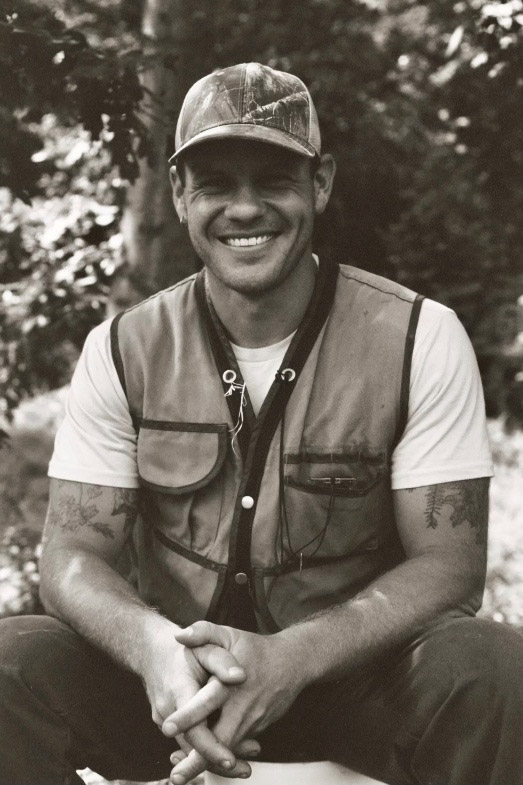
In this episode, Craig speaks with forester and author Ethan Tapper about his award-winning book How to Love a Forest and what it means to care for ecosystems in an age of climate change, biodiversity loss, and what he calls “global change.”
Ethan’s path into forestry began unexpectedly, with a life-changing wilderness expedition that reshaped how he saw the natural world. That experience grew into a career working in forests and, eventually into a book that blends ecology, storytelling, and a deeply personal reflection on stewardship.
“The more you look, the more you see… and the more you see, the more you care.”
A central idea in the conversation is the need to move beyond the familiar dichotomy of either preserving nature or exploiting it. In today’s context, Ethan argues, that framing no longer works.
Forests are now shaped by overlapping pressures—climate change, invasive species, fragmentation, and the long legacy of human land use. Simply leaving them alone is often not enough. Instead, stewardship requires active, ongoing care.
“How could we love forests and cut trees? It doesn’t make sense—until you understand the moment we’re in.”
Through his work, Ethan reframes practices like tree cutting, invasive species management, and deer population control as necessary, if difficult, acts of restoration. These decisions are often emotionally challenging, but they reflect a deeper responsibility: recognizing that inaction can cause harm too.
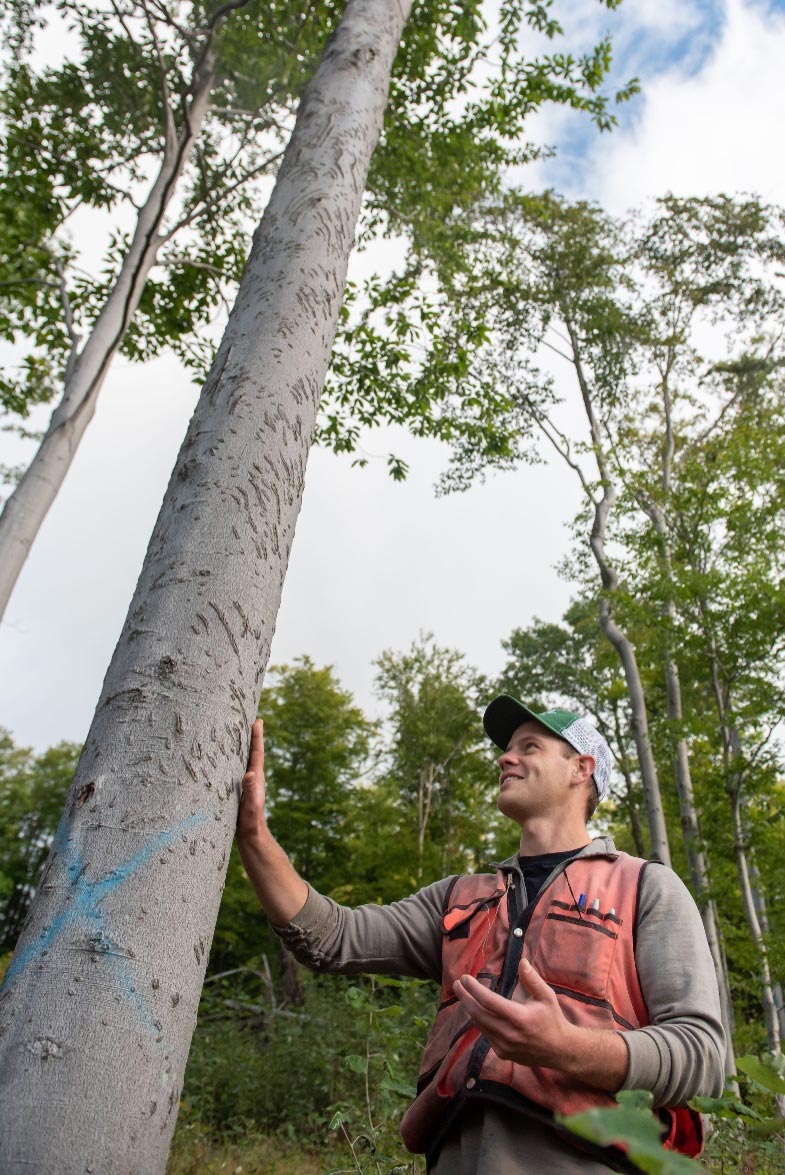
“We are their greatest threat and also their best hope.”
The conversation highlights how multiple stressors are undermining forest health, particularly their ability to regenerate. Without regeneration, forests cannot adapt or survive.
This leads to a critical distinction: the greatest threat is not the cutting of trees, but deforestation—the permanent conversion of forests into other uses. In this sense, land-use planning, density, and zoning become central climate strategies.
“If we can’t keep forests as forests, nothing else we do matters.”
Turning to cities, Ethan reflects on the role of urban forests as both ecological and social infrastructure. Parks and ravines can provide meaningful habitat and climate benefits, but they also require trade-offs. Not every space can maximize ecological function, human use and cultural value are part of the equation.
“The answers aren’t simpler—they’re more complicated.”
Underlying the discussion is Ethan’s concept of “deep environmentalism” - an approach that moves beyond simply stopping harm toward actively doing good. It embraces complexity, trade-offs, and a more engaged relationship with the natural world.
One of the most powerful examples comes from his work restoring his own degraded forest, Bear Island, which has become a symbol not of loss, but of possibility.
“I’m not just preventing loss - I’m trying to build something more abundant.”
The episode closes with a simple call to action: engage locally. Connect with conservation organizations, participate in their work, and become part of the community caring for the ecosystems around you.
Book Recommendations from Ethan Tapper
- Runes of the North — Sigurd Olson
- The Salt Stones — Helen Whybrow
- The Hidden Forest: The Biography of an Ecosystem — John Luoma
- Nature’s Best Hope — Doug Tallamy
Bio
Ethan Tapper is a forester, author, and speaker based in Vermont, where he has dedicated his career to understanding and caring for forest ecosystems in a time of rapid environmental change.
He previously served as the Chittenden County Forester for the State of Vermont, where he worked with private landowners, municipalities, and community forests to promote sustainable management, ecological restoration, and long-term forest health. His work spans forest stewardship, invasive species management, wildlife habitat improvement, and public education.
Ethan is the author of How to Love a Forest, which won the New England Book Award and has been widely recognized for its ability to bridge science, storytelling, and philosophy. His writing and public engagement focus on helping people develop a deeper, more nuanced relationship with the natural world - one that moves beyond passive appreciation toward active care and responsibility.
Through his forestry practice, speaking, and writing, Ethan continues to advocate for a form of environmentalism grounded in stewardship, local action, and a willingness to engage with the complexity of the challenges facing ecosystems today.
Please Support this Podcast:
If you like this podcast, please support us by going to the Apple Podcasts site and “liking” our podcast by rating us. It will help increase the ability of it to be seen by other like-minded people. Thanks for listening!”