

“We’re not just trying to eliminate something bad—we’re building something better.”
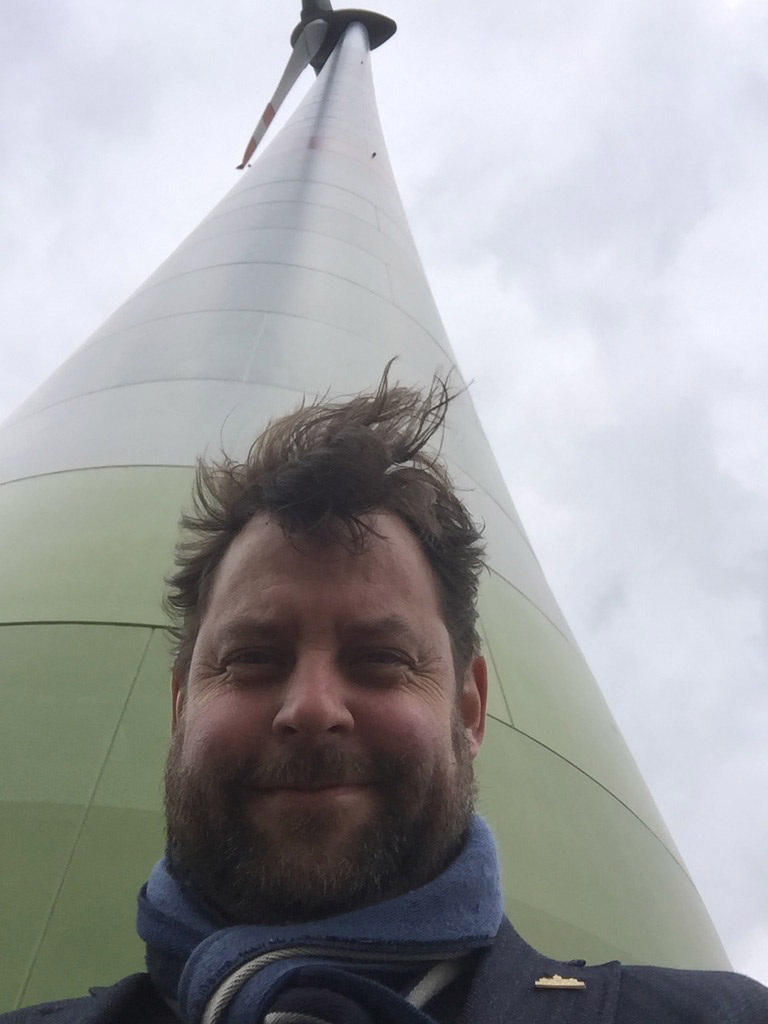
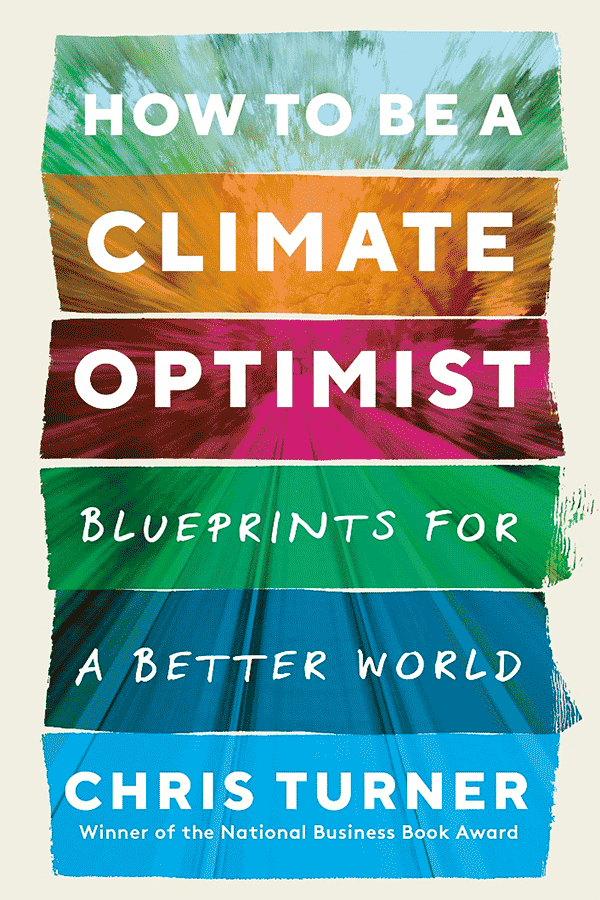
In this episode, Craig speaks with journalist and author Chris Turner about his book How to Be a Climate Optimist and the shifting narrative around climate change from one rooted in fear and sacrifice to one driven by possibility, innovation, and better ways of living.
Chris traces his journey from early reporting on climate catastrophe to a pivotal realization: instead of documenting the worst impacts, he could seek out places already solving the problem. That shift led him across the world to communities, technologies, and systems that are quietly building a low-carbon future.
“What would it look like to go to the places already beating climate change?”
A defining moment came when Chris visited the Danish island of Samsø, where a community had effectively achieved net-zero emissions. It wasn’t theoretical, it was real, functional, and deeply ordinary.
People were living their lives comfortably, powered by clean energy.
That experience reframed the problem: the solutions weren’t distant or speculative - they already existed.
From “Less Bad” to “Much Better”
“You would choose it even if we didn’t have an emissions problem.”
A central theme of the conversation is that climate solutions must be better, not just less harmful. Chris points to high-speed rail in Spain as an example, not just low-carbon, but more comfortable, efficient, and enjoyable than alternatives.
This idea challenges the traditional narrative of sacrifice:
- Less consumption
- Lower expectations
- Reduced quality of life
Instead, the energy transition can deliver:
- Better mobility
- More resilient communities
- Higher quality daily experiences
The Quiet Revolution: Cheap, Scalable Solar
“The most important thing that’s happened is that solar became the workhorse.”
While breakthrough technologies often capture attention, Chris argues that the most transformative shift has been the dramatic drop in the cost of solar energy.
Solar is now:
- Cheaper than fossil fuels in many cases
- Scaling faster than expected
- Driving the global energy transition
This changes the entire conversation from if we can transition, to how fast we can build it.
What Governments Should Do
“Treat energy as a shared national resource.”
If advising policymakers, Chris identifies three priorities:
- Connect and coordinate energy systems
Break down provincial silos and treat electricity as a national asset. - Apply a clean energy lens to all public spending
Every investment should align with long-term decarbonization goals. - Rethink transportation
Move beyond private vehicle dependency toward electrified mass transit and better urban systems.
Adaptation: The Hard Reality
“We’re going to have to make difficult decisions about where we live.”
Even with progress on emissions, climate impacts are accelerating. Chris emphasizes that adaptation will require:
- Localized responses
- Infrastructure resilience
- Difficult conversations about risk and relocation
Financial systems such as insurance, lending, and investment may ultimately shape these decisions.
Grounds for Optimism
“The solutions keep getting better, faster, cheaper.”
Despite geopolitical instability and ongoing crises, Chris remains optimistic.
Why?
- Clean technologies are improving rapidly
- Adoption is accelerating globally
- Even conflicts are reinforcing the need for energy independence
The transition is no longer hypothetical - it’s underway.
Book Recommendations from Chris Turner
- Hope in the Dark - Rebecca Solnit
- The Ministry for the Future - Kim Stanley Robinson
He also recommends following the work of Ember Energy and their “Electrotech Revolution” writing for deeper insights into the energy transition.
Book Recommendations from Ethan Tapper
- Runes of the North — Sigurd Olson
- The Salt Stones — Helen Whybrow
- The Hidden Forest: The Biography of an Ecosystem — John Luoma
- Nature’s Best Hope — Doug Tallamy
A Call to Action
“Find other people and work on this together.”
Chris avoids prescriptive individual actions and instead emphasizes collective engagement.
His advice:
- Connect with others in your community
- Join local initiatives or organizations
- Engage in political or civic action
- Contribute your skills where they matter
Most importantly, the work must be:
“Not just a grim fight for survival but a more joyful way of living.”
Bio
Chris Turner is a Canadian journalist and author known for his work on climate change, sustainability, and the energy transition. Over the past two decades, he has reported from around the world on innovative solutions to environmental challenges, focusing on the systems and communities leading the shift to a low-carbon future.
He is the author of several books, including How to Be a Climate Optimist, which explores how technological progress, policy innovation, and human ingenuity are reshaping the climate conversation from one of despair to one of possibility.
Through his writing and speaking, Chris continues to challenge dominant narratives about climate change by arguing that the path forward is not defined by sacrifice alone, but by building a future that is more resilient, equitable, and ultimately better than the present.
Please Support this Podcast:
If you like this podcast, please support us by going to the Apple Podcasts site and “liking” our podcast by rating us. It will help increase the ability of it to be seen by other like-minded people. Thanks for listening!”